

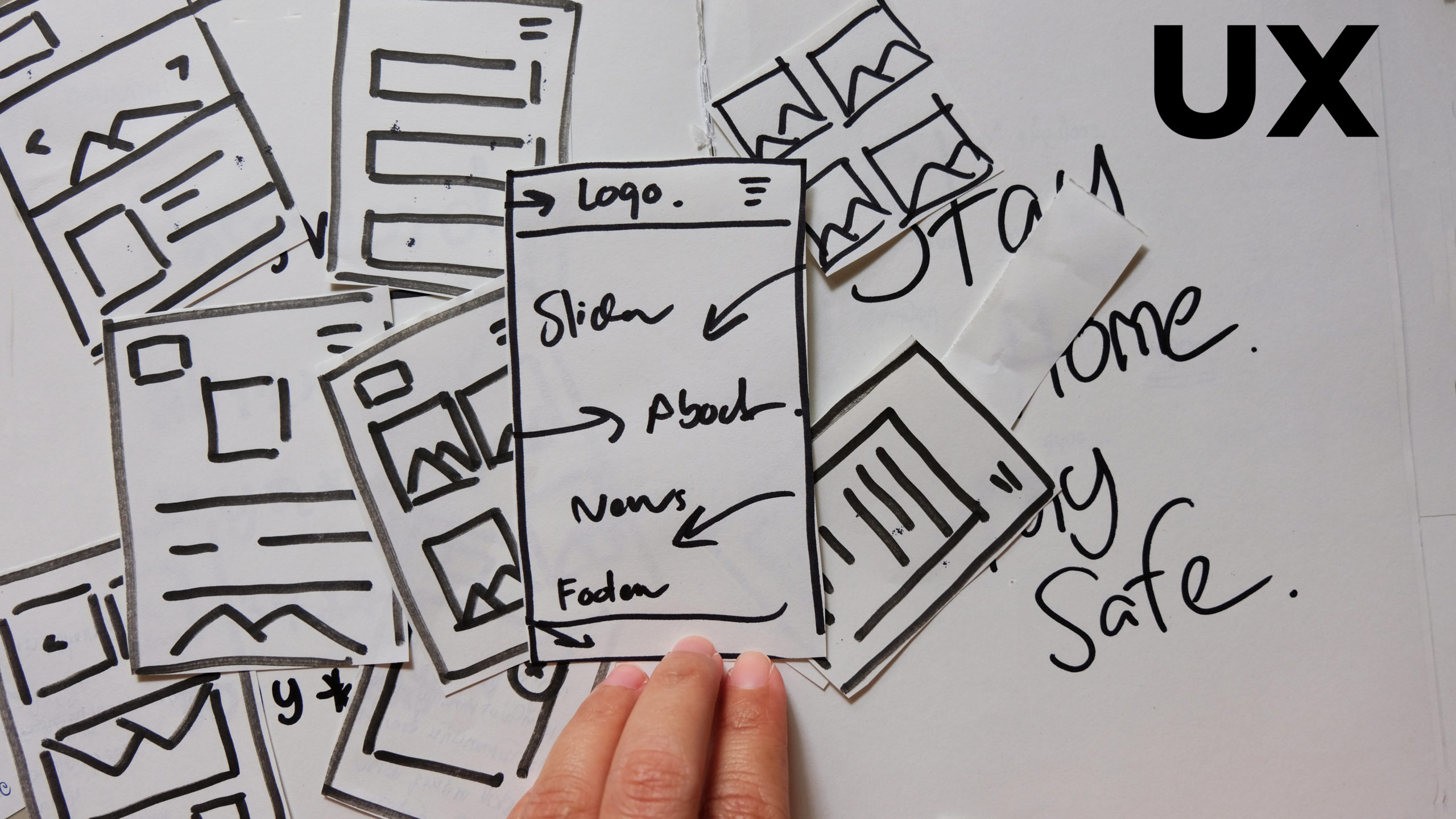
User experience, often shortened to UX, plays a critical role in how visitors interact with a website. Even with strong branding and good traffic levels, poor UX can quietly undermine sales and lead generation. When users feel confused, frustrated or unsure what to do next, they are far more likely to leave without taking action. Understanding and avoiding common UX mistakes can significantly improve results.
Complicated Navigation
One of the most damaging UX mistakes is overly complex navigation. Visitors should be able to find what they are looking for quickly and intuitively. Too many menu items, unclear labels or hidden pages can overwhelm users and lead to abandonment. Clear navigation structures help guide visitors smoothly through the site and support their decision-making process.
Slow Page Load Times
Speed is a fundamental part of user experience. Websites that load slowly test users’ patience and reduce trust. Even a delay of a few seconds can result in lost leads or abandoned baskets. Large images, excessive scripts and poorly optimised code often contribute to slow performance. A fast website not only improves UX but also supports search engine visibility.
Poor Mobile Experience
With a large percentage of users browsing on mobile devices, a website that does not function properly on smaller screens will struggle to convert. Common issues include text that is too small, buttons that are hard to tap and layouts that break on mobile. A responsive, mobile-friendly design ensures a consistent and user-friendly experience across all devices.
Unclear Calls to Action
Visitors should never have to guess what to do next. Vague or poorly placed calls to action can cause confusion and hesitation. Whether the goal is to request a quote, make a purchase or get in touch, calls to action should be clear, visible and aligned with user intent. Strong UX design gently guides users towards conversion without being intrusive.
Overwhelming Design Choices
While creativity is important, too many colours, fonts or animations can distract users from the main message. Overdesigned websites often feel cluttered and difficult to navigate. Simplicity allows key information to stand out and helps users focus on what matters most. A clean, purposeful design improves readability and reduces cognitive load.
Lack of Trust Signals
Users are cautious, especially when sharing personal details or making payments. Websites that lack trust signals such as testimonials, clear contact information or professional design elements may struggle to convert. UX is not just about layout; it is also about reassurance. Small details can have a big impact on perceived credibility.
Ignoring User Behaviour Data
Many businesses make design decisions based on assumptions rather than real user behaviour. Ignoring analytics and feedback can result in repeated UX mistakes. Reviewing how users interact with the site helps identify friction points and opportunities for improvement. Continuous refinement leads to better experiences and stronger results.
How Website Vibe Can Help
Website Vibe helps businesses avoid costly UX mistakes by creating websites that are intuitive, fast and conversion-focused. Through thoughtful design, performance optimisation and ongoing maintenance, Website Vibe ensures that user experience supports sales and lead generation rather than holding them back. By focusing on clarity, usability and real user behaviour, Website Vibe helps turn visitors into customers and enquiries into growth opportunities.