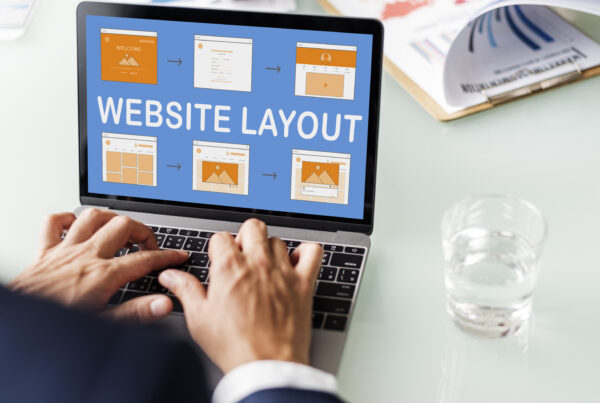


Images play a vital role in how a website looks, feels, and performs. They help communicate ideas quickly, add visual appeal, and make content more engaging for visitors. Whether it is product photos, team images, or graphics supporting written content, the right visuals can significantly enhance a user’s experience.
However, images must be managed carefully. Large or poorly optimised images can slow down your website, frustrate visitors, and negatively affect search engine rankings. At the same time, accessibility considerations are essential to ensure that all users, including those using assistive technologies, can understand the content of your website.
By combining proper optimisation with accessibility best practices, businesses can ensure their website images support both performance and inclusivity.
The Importance of Image Optimisation
One of the most common issues affecting website performance is oversized image files. High-resolution images may look impressive, but if they are not properly compressed, they can dramatically increase page load times.
Slow-loading pages often lead to higher bounce rates because visitors are less likely to wait for content to appear. Search engines also consider page speed when ranking websites, meaning poorly optimised images can impact visibility in search results.
Effective optimisation includes reducing file sizes without noticeably affecting image quality, choosing the correct file format, and ensuring images are displayed at appropriate dimensions. Techniques such as compression and responsive image sizing help maintain visual quality while keeping websites fast and efficient.
A well-optimised image strategy improves user experience, supports better search performance, and helps ensure that your website runs smoothly across all devices.
Choosing the Right Image Formats
Different image formats serve different purposes, and selecting the right one can make a significant difference in website performance.
JPEG images are commonly used for photographs and detailed visuals because they offer good compression while maintaining acceptable quality. PNG files are often preferred for graphics that require transparency or sharper edges, such as logos or icons. More modern formats can also provide improved compression and faster loading times.
In addition to format choice, ensuring that images are properly sized before uploading is important. Uploading extremely large images and relying on the website to resize them can waste bandwidth and slow down page loading.
By carefully selecting formats and dimensions, websites can maintain strong visual quality without compromising performance.
Making Images Accessible to Everyone
Accessibility is a crucial aspect of modern web design. Not all users experience websites visually, and some rely on screen readers or other assistive technologies to navigate online content.
One of the most important accessibility practices for images is the use of alternative text, often referred to as alt text. Alt text provides a written description of an image so that screen readers can communicate its meaning to users who cannot see it.
Clear, concise descriptions help ensure that images contribute to the overall understanding of the page. Decorative images that do not add meaningful information can be marked appropriately so that screen readers skip them.
Other accessibility considerations include maintaining good colour contrast and ensuring that images containing text remain readable on different devices and screen sizes.
How Website Vibe Can Help
Managing website images effectively requires a balance between visual quality, performance, and accessibility. Website Vibe helps businesses implement best practices that ensure images enhance the website rather than slow it down or create usability barriers.
Their team focuses on optimising images for fast loading speeds, ensuring responsive display across devices, and implementing proper accessibility features such as meaningful alt text. By carefully managing file sizes, formats, and layout integration, they help websites deliver a smooth and inclusive user experience.
With the support of Website Vibe, businesses can enjoy visually engaging websites that load quickly, perform well in search results, and remain accessible to all visitors. The result is a professional online presence that looks great while meeting modern web standards.