
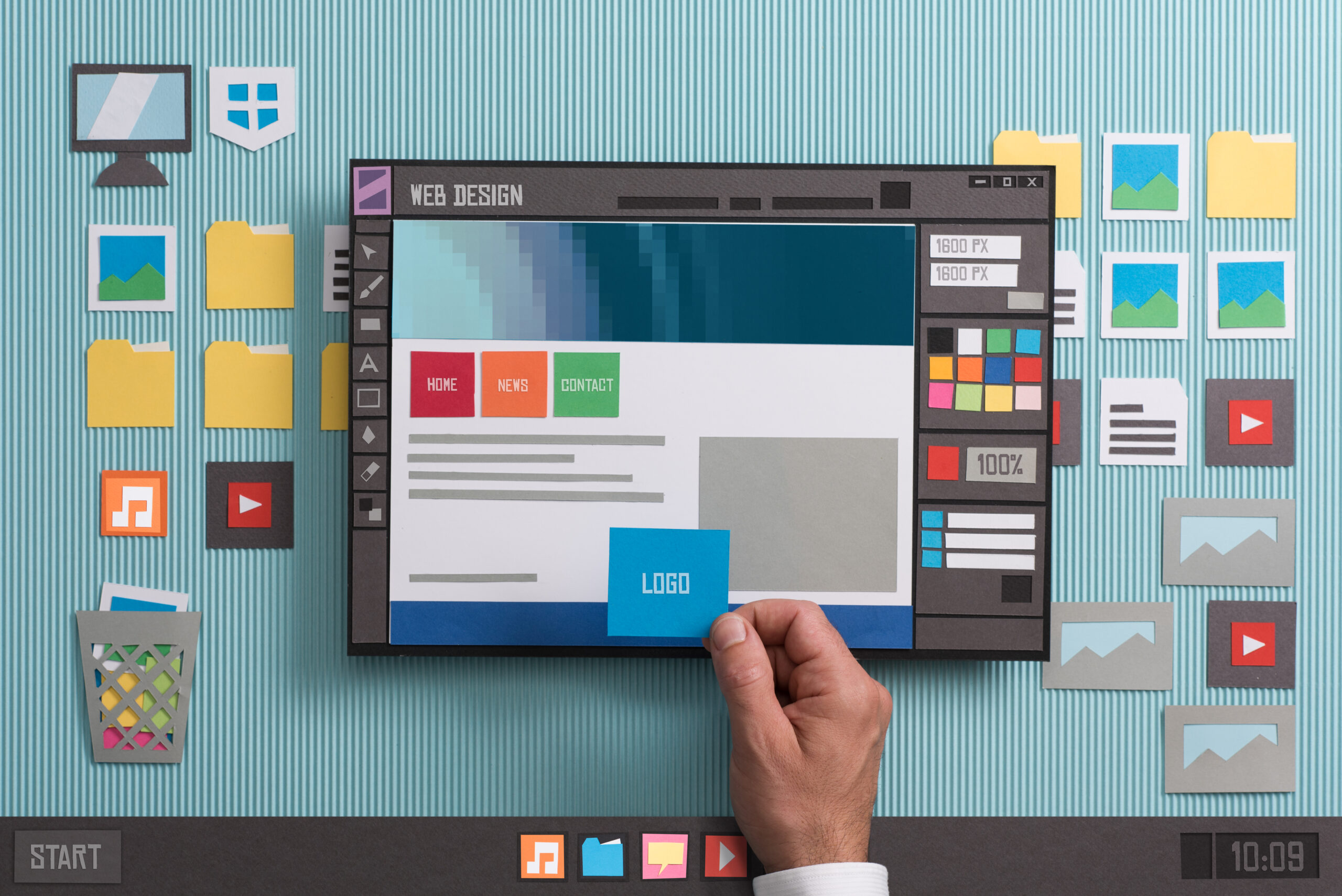
On the surface, building your own website looks like the obvious choice for a small business on a budget. Platforms like Wix and Squarespace promise a professional-looking site in an afternoon, no coding required, often for less than the cost of a few client lunches. And for some businesses, that really is enough.
But “cheap to build” and “cheap overall” aren’t the same thing. A lot of small business owners discover, often a year or two in, that their DIY website has been quietly costing them in ways that don’t show up on the monthly subscription bill.
The Time Cost Nobody Talks About
Building a website yourself takes time — and not just the initial setup. Every change, every new page, every tweak to make something look right falls to you. For a business owner already juggling everything else, this time has a real cost, even if it doesn’t appear on an invoice.
What often happens is the website becomes a project that gets 80% finished and then quietly stalls, because the business owner’s time is better spent elsewhere. The result is a site that never quite reaches the standard it could, simply because finishing it kept losing out to running the actual business.
The SEO Limitations
Platforms like Wix have improved considerably over the years, but they still come with structural limitations compared to a properly built WordPress site. Page speed, fine control over technical SEO elements, and flexibility in how content is structured are all areas where DIY platforms tend to fall short.
For a small business relying on local search to bring in customers, these limitations can directly translate into lower visibility — and lower visibility means fewer enquiries. It’s rarely a dramatic difference on day one, but it compounds over time.
The Design Ceiling
DIY platforms work from templates, and templates have a ceiling. They’re designed to look reasonable for a huge range of different businesses, which means they rarely look exceptional for any one of them. Visitors who’ve seen the same template used by other businesses — and they do notice, more often than people expect — pick up on it, even subconsciously.
A professionally designed website can be built around your specific business, your branding, and the way your customers actually think and search, rather than fitted into a generic structure designed to suit everyone.
The Switching Cost Later
Perhaps the biggest hidden cost is what happens when a business outgrows its DIY website. Migrating from Wix or Squarespace to a more flexible platform like WordPress isn’t a simple export-and-import job. Content often needs to be rebuilt, URLs can change in ways that damage existing SEO, and the process can take longer and cost more than if a proper site had been built from the outset.
When DIY Genuinely Makes Sense
None of this means DIY platforms are always the wrong choice. For a very early-stage business, a side project, or someone testing an idea before committing further, a quick DIY site can be a sensible starting point. The key is recognising it as a starting point — and being honest about when the business has outgrown it.
How Website Vibe Can Help
Website Vibe builds professional WordPress websites for UK small businesses, often working with owners who’ve outgrown a DIY platform and are ready for something built to last. With packages starting from £99, getting a proper website built doesn’t have to mean a huge upfront cost. Get in touch to talk through what would work best for where your business is now.